Buy winterfestival.eu ?
We are moving the project
winterfestival.eu .
Are you interested in purchasing the domain
winterfestival.eu ?
domain@kv-gmbh.de · 0541-91531010
Buy winterfestival.eu ?
How do I make a thermal transfer receipt visible again?
To make a thermal transfer receipt visible again, you can try applying heat to the paper. You can use a hairdryer on a low setting or a heat gun to gently warm the paper and reactivate the thermal ink. Be careful not to apply too much heat, as this can damage the paper. If the receipt is still not visible after applying heat, you may need to consider other methods such as using a thermal printer to reprint the receipt. **
How does the thermal transfer resistance for heat transfer between the component surface and air change with increasing wind speed?
As wind speed increases, the thermal transfer resistance for heat transfer between the component surface and air decreases. This is because the higher wind speed increases the convective heat transfer coefficient, which in turn reduces the thermal resistance. The increased air movement helps to carry heat away from the component surface more effectively, resulting in improved heat dissipation. Therefore, higher wind speeds can enhance the overall thermal performance of the system by promoting better heat transfer between the component and the surrounding air. **

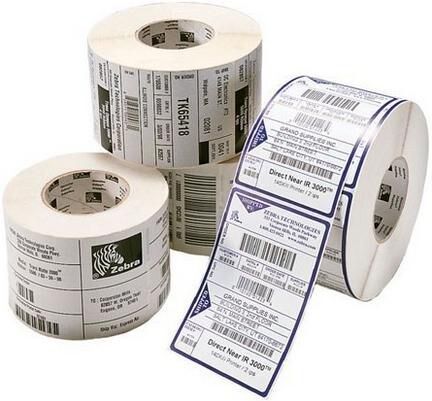
Similar search terms for TSC-TE210-Thermal-Transfer
Top-Angebote
Products related to TSC-TE210-Thermal-Transfer:
-
TSC DA210 Desktop Direct Thermal Label Printer - 4.25 inch, 203 dpi, USB 2.0 - BlackDescription The TSC DA210 Direct Thermal Desktop Printer is an easy-to-use, lightweight printer designed for cost-effective direct thermal printing. It is ideal for small offices, home offices, parcel shipping, warehouses, retail, healthcare, and hospitality applications where receipts or direct thermal labels are required. The DA210 combines affordability with reliability, offering essential features for basic label printing needs using a USB 2.0 interface. This printer boasts a user-friendly double-wall clamshell design that allows for easy loading, along with a large 5-inch outer diameter media bay. It supports quick printing of crisp barcodes, graphics, and text at speeds of up to 6 inches per second. With TSPL-EZD firmware, the DA210 emulates most popular printer languages out of the box, ensuring versatility for various printing tasks. An essential addition for any business needing reliable label printing solutions.187,49 £*Shipping: 0,00 £Secure redirect to the provider
-
Brother P-Touch PT-D610BTVP - labelmaker - B/W - thermal transferBrother P-Touch PT-D610BTVP - Labelmaker - B/W - thermal transfer - 24 mm width - up to 30 mm/sec - USB, Bluetooth 5.0 - cutter - mirror print, vertical print, 7 line printing - black159,99 £*Shipping: 0,00 £Secure redirect to the provider




-
Among which thermal pads is thermal paste used?
Thermal paste is typically used between the CPU and the heatsink to improve heat transfer. It is not used with thermal pads, as thermal pads are pre-applied or placed between components where a more solid interface is needed. Thermal paste is a better choice for areas where there are small gaps or uneven surfaces that need to be filled for optimal heat dissipation. **
-
How does heat transfer occur on snow?
Heat transfer occurs on snow through three main processes: conduction, convection, and radiation. Conduction is the transfer of heat through direct contact with the snow surface. Convection occurs when warmer air rises from the snow surface, carrying heat away. Radiation is the transfer of heat through electromagnetic waves, such as from the sun to the snow. These processes work together to regulate the temperature of the snow and its surroundings. **
-
Will there soon be no more winters with snow, ice, and frost?
It is difficult to predict with certainty whether there will soon be no more winters with snow, ice, and frost. However, climate change is leading to rising global temperatures, which can result in milder winters and reduced snow and ice cover in some regions. While some areas may experience less frequent and intense winter weather, others may still continue to have traditional winter conditions. It is important to continue monitoring and addressing climate change to better understand its impact on winter weather patterns. **
-
Should one use a thermal pad instead of thermal paste?
Whether to use a thermal pad or thermal paste depends on the specific application and personal preference. Thermal pads are convenient and easy to use, making them a good choice for beginners or for situations where precision application is difficult. However, thermal paste generally provides better thermal conductivity and is often preferred for high-performance applications such as gaming PCs or overclocking. Ultimately, the decision should be based on the specific requirements of the hardware and the user's level of expertise. **


What is the difference between thermal energy and thermal power?
Thermal energy refers to the internal energy present in a system due to the motion and interaction of its particles. It is a measure of the total kinetic and potential energy of the particles in a substance. On the other hand, thermal power refers to the rate at which thermal energy is transferred or converted into other forms of energy, such as mechanical or electrical energy. It is a measure of the amount of thermal energy transferred per unit of time. In summary, thermal energy is the total energy present in a system, while thermal power is the rate at which thermal energy is transferred or converted. **
What is the thermal equilibrium in an isolated container with ice?
In an isolated container with ice, thermal equilibrium is reached when the temperature of the ice and the surrounding air are equal. This occurs when the ice absorbs heat from the air and begins to melt, while the air loses heat and cools down. Once thermal equilibrium is reached, the temperature of both the ice and the air will remain constant as long as they are in contact with each other. **
Top-Angebote
Products related to TSC-TE210-Thermal-Transfer:
-
TSC TE210 Thermal Transfer Label Printer, 203 dpi, USB, Ethernet, RS-232The TSC TE210 is a compact desktop label printer that prints by direct thermal or thermal transfer at 203 dpi. It connects by USB 2.0, Ethernet and RS-232, has a USB host port and real-time clock, and is ready for an optional peeler or cutter.301,99 £*Shipping: 0,00 £Secure redirect to the provider
-
TSC DA210 Desktop Direct Thermal Label Printer - 4.25 inch, 203 dpi, USB 2.0 - BlackDescription The TSC DA210 Direct Thermal Desktop Printer is an easy-to-use, lightweight printer designed for cost-effective direct thermal printing. It is ideal for small offices, home offices, parcel shipping, warehouses, retail, healthcare, and hospitality applications where receipts or direct thermal labels are required. The DA210 combines affordability with reliability, offering essential features for basic label printing needs using a USB 2.0 interface. This printer boasts a user-friendly double-wall clamshell design that allows for easy loading, along with a large 5-inch outer diameter media bay. It supports quick printing of crisp barcodes, graphics, and text at speeds of up to 6 inches per second. With TSPL-EZD firmware, the DA210 emulates most popular printer languages out of the box, ensuring versatility for various printing tasks. An essential addition for any business needing reliable label printing solutions.187,49 £*Shipping: 0,00 £Secure redirect to the provider
-
How do I make a thermal transfer receipt visible again?
To make a thermal transfer receipt visible again, you can try applying heat to the paper. You can use a hairdryer on a low setting or a heat gun to gently warm the paper and reactivate the thermal ink. Be careful not to apply too much heat, as this can damage the paper. If the receipt is still not visible after applying heat, you may need to consider other methods such as using a thermal printer to reprint the receipt. **
-
How does the thermal transfer resistance for heat transfer between the component surface and air change with increasing wind speed?
As wind speed increases, the thermal transfer resistance for heat transfer between the component surface and air decreases. This is because the higher wind speed increases the convective heat transfer coefficient, which in turn reduces the thermal resistance. The increased air movement helps to carry heat away from the component surface more effectively, resulting in improved heat dissipation. Therefore, higher wind speeds can enhance the overall thermal performance of the system by promoting better heat transfer between the component and the surrounding air. **
-
Among which thermal pads is thermal paste used?
Thermal paste is typically used between the CPU and the heatsink to improve heat transfer. It is not used with thermal pads, as thermal pads are pre-applied or placed between components where a more solid interface is needed. Thermal paste is a better choice for areas where there are small gaps or uneven surfaces that need to be filled for optimal heat dissipation. **
-
How does heat transfer occur on snow?
Heat transfer occurs on snow through three main processes: conduction, convection, and radiation. Conduction is the transfer of heat through direct contact with the snow surface. Convection occurs when warmer air rises from the snow surface, carrying heat away. Radiation is the transfer of heat through electromagnetic waves, such as from the sun to the snow. These processes work together to regulate the temperature of the snow and its surroundings. **
Similar search terms for TSC-TE210-Thermal-Transfer
-
Brother P-Touch PT-D610BTVP - labelmaker - B/W - thermal transferBrother P-Touch PT-D610BTVP - Labelmaker - B/W - thermal transfer - 24 mm width - up to 30 mm/sec - USB, Bluetooth 5.0 - cutter - mirror print, vertical print, 7 line printing - black159,99 £*Shipping: 0,00 £Secure redirect to the provider
-
Zebra 3400 Wax/Resin Thermal Transfer Ribbon 60mm x 450m - BlackThis high-performance wax/resin ribbon produces excellent print quality on coated paper and matte synthetic materials. This ink formulation produces durable images for bar codes and types of all types and sizes. A great value! Zebra 3400 Wax/Resin - Black - 60 mm x 450 m - print ink ribbon refill (thermal transfer) - for PAX 110; S Series 105, 160; Xi Series 110, 140, 170, 90, 96; Z Series Z4Mplus, Z6Mplus89,49 £*Shipping: 0,00 £Secure redirect to the provider
-
Will there soon be no more winters with snow, ice, and frost?
It is difficult to predict with certainty whether there will soon be no more winters with snow, ice, and frost. However, climate change is leading to rising global temperatures, which can result in milder winters and reduced snow and ice cover in some regions. While some areas may experience less frequent and intense winter weather, others may still continue to have traditional winter conditions. It is important to continue monitoring and addressing climate change to better understand its impact on winter weather patterns. **
-
Should one use a thermal pad instead of thermal paste?
Whether to use a thermal pad or thermal paste depends on the specific application and personal preference. Thermal pads are convenient and easy to use, making them a good choice for beginners or for situations where precision application is difficult. However, thermal paste generally provides better thermal conductivity and is often preferred for high-performance applications such as gaming PCs or overclocking. Ultimately, the decision should be based on the specific requirements of the hardware and the user's level of expertise. **
-
What is the difference between thermal energy and thermal power?
Thermal energy refers to the internal energy present in a system due to the motion and interaction of its particles. It is a measure of the total kinetic and potential energy of the particles in a substance. On the other hand, thermal power refers to the rate at which thermal energy is transferred or converted into other forms of energy, such as mechanical or electrical energy. It is a measure of the amount of thermal energy transferred per unit of time. In summary, thermal energy is the total energy present in a system, while thermal power is the rate at which thermal energy is transferred or converted. **
-
What is the thermal equilibrium in an isolated container with ice?
In an isolated container with ice, thermal equilibrium is reached when the temperature of the ice and the surrounding air are equal. This occurs when the ice absorbs heat from the air and begins to melt, while the air loses heat and cools down. Once thermal equilibrium is reached, the temperature of both the ice and the air will remain constant as long as they are in contact with each other. **
* All prices are inclusive of VAT and, if applicable, plus shipping costs. The offer information is based on the details provided by the respective shop and is updated through automated processes. Real-time updates do not occur, so deviations can occur in individual cases. ** Note: Parts of this content were created by AI.