Buy winterfestival.eu ?
We are moving the project
winterfestival.eu .
Are you interested in purchasing the domain
winterfestival.eu ?
domain@kv-gmbh.de · 0541-91531010
Buy winterfestival.eu ?
Why does a loose layer of snow protect plants from frost?
A loose layer of snow acts as an insulating blanket for plants, trapping heat from the ground and preventing it from escaping into the atmosphere. This insulation helps to maintain a more stable temperature around the plants, protecting them from the extreme cold of frost. Additionally, the snow layer can also provide some hydration to the plants as it melts, which can help prevent dehydration and damage from the cold. Overall, the layer of snow helps to create a more favorable microclimate for the plants, reducing the risk of frost damage. **
Are climbing plants frost-resistant?
Climbing plants vary in their frost resistance depending on the species. Some climbing plants, such as ivy and winter jasmine, are more frost-resistant and can withstand colder temperatures. However, other climbing plants, like bougainvillea and passionflower, are more sensitive to frost and may be damaged or killed by freezing temperatures. It is important to research the specific climbing plant species you are interested in to determine its frost resistance and provide appropriate protection during cold weather. **
Similar search terms for Plants
Top-Angebote
Products related to Plants:
-
Seasalt Wavecrest Short Sleeve Top Apothecary Plants ChalkThe Seasalt Wavecrest Short Sleeve Top Apothecary Plants Chalk flaunts short sleeves and a relaxed fit. A softly rounded collar and notch neckline give the organic cotton shirt a distinctive detail, and it is finished with a curved hem and small side slits for easy movement. In an original Seasalt print, inspired by Cornish landscape. Made from 100% Organic Cotton. Machine washable.25,00 £*Shipping: 3,50 £Secure redirect to the provider
-
DEVERA 2-Pack 5.2FT Artificial Areca Palm PlantsFeatures Space-enhancing foliage Creates vertical greenery for compact areas. Artificial green plant home decoration no watering living room decoration. Uv resistant and not easy to fade factory delivery.121,73 $*Shipping: 0,00 $Secure redirect to the provider


-
How do frost damages occur in plants?
Frost damages occur in plants when the temperature drops below freezing, causing ice crystals to form within the plant's cells. This can lead to the rupture of cell walls and membranes, resulting in tissue damage. Additionally, the formation of ice within the plant can disrupt the flow of water and nutrients, further impacting the plant's health. Frost damages are more likely to occur in plants that are not cold-hardy or in early spring when plants are not yet acclimated to colder temperatures. **
-
Through which plants is frost drought endangered?
Frost drought is a phenomenon that occurs when plants are unable to take up water from the soil due to frozen ground, leading to dehydration and damage. Plants that are particularly vulnerable to frost drought include evergreen trees and shrubs, as well as shallow-rooted plants that rely on surface water sources. These plants are at risk of experiencing water stress and damage to their tissues when the ground is frozen and they are unable to access water. It is important for gardeners and farmers to be aware of the potential for frost drought and take measures to protect vulnerable plants during cold periods. **
-
How do I water potted plants and plants in flower boxes when there is frost?
When there is frost, it is important to be cautious when watering potted plants and plants in flower boxes. Watering in the evening can help prevent the water from freezing overnight. It is best to water the plants in the morning so that any excess water has a chance to evaporate during the day before temperatures drop. Additionally, using lukewarm water can help prevent shock to the plants from extreme temperature changes. **
-
Will there soon be no more winters with snow, ice, and frost?
It is difficult to predict with certainty whether there will soon be no more winters with snow, ice, and frost. However, climate change is leading to rising global temperatures, which can result in milder winters and reduced snow and ice cover in some regions. While some areas may experience less frequent and intense winter weather, others may still continue to have traditional winter conditions. It is important to continue monitoring and addressing climate change to better understand its impact on winter weather patterns. **


What are cruciferous plants, mint family plants, and leguminous plants?
Cruciferous plants are a group of vegetables that belong to the Brassicaceae family, including broccoli, cauliflower, cabbage, and kale. Mint family plants, also known as Lamiaceae family, include herbs like mint, basil, rosemary, and oregano. Leguminous plants are members of the Fabaceae family and are known for their ability to fix nitrogen in the soil, including beans, peas, lentils, and peanuts. Each of these plant families includes a variety of edible plants that are commonly used in cooking and gardening. **
Which plants?
There are many different types of plants in the world, ranging from flowering plants like roses and tulips to trees like oak and pine. Other common plants include grasses, ferns, succulents, and vegetables like tomatoes and carrots. Each type of plant has unique characteristics and requirements for growth, making them diverse and interesting to study and cultivate. **
Top-Angebote
Products related to Plants:
-
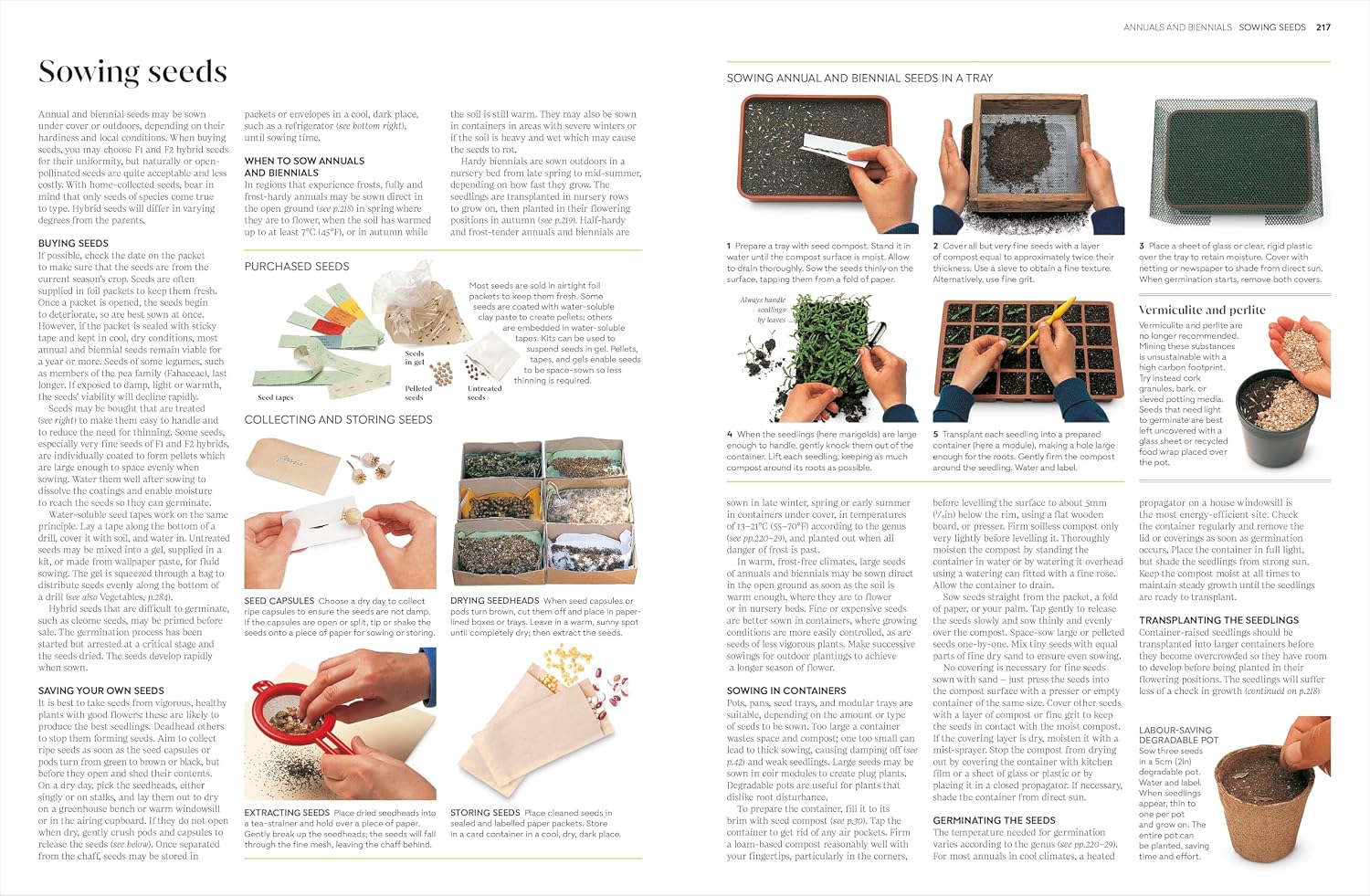
DK RHS Propagating Plants - How To Create New Plants For FreeFill your garden with beautiful plants for next-to-nothing Do you long to grow your own plants from scratch? This complete guide from the experts at the RHS will teach you how to propagate every type of plant. If you're a thrifty gardener who wants more plants for free, then this book is perfect for you! From fruit trees and ornamental shrubs to exotic orchids and succulents, get all the info you need to propagate 1,500+ garden plants. Crammed with hundreds of step-by-step tutorials and clear advice, ranging from straightforward and simple to more in-depth and challenging. The rating system in the plant-by-plant A-Z dictionaries provides you with a quick reference to the relative ease or difficulty of each method of propagation. How long do your seedlings need to germinate? What makes a healthy stem cutting? How do you know what type of rootstock to use when grafting plants? Find out the answer to these questions and more in the most comprehensive guide to propagating plants ever published.9,99 £*Shipping: 2,99 £Secure redirect to the provider
-
Seasalt Wavecrest Short Sleeve Top Apothecary Plants ChalkThe Seasalt Wavecrest Short Sleeve Top Apothecary Plants Chalk flaunts short sleeves and a relaxed fit. A softly rounded collar and notch neckline give the organic cotton shirt a distinctive detail, and it is finished with a curved hem and small side slits for easy movement. In an original Seasalt print, inspired by Cornish landscape. Made from 100% Organic Cotton. Machine washable.25,00 £*Shipping: 3,50 £Secure redirect to the provider
-
Why does a loose layer of snow protect plants from frost?
A loose layer of snow acts as an insulating blanket for plants, trapping heat from the ground and preventing it from escaping into the atmosphere. This insulation helps to maintain a more stable temperature around the plants, protecting them from the extreme cold of frost. Additionally, the snow layer can also provide some hydration to the plants as it melts, which can help prevent dehydration and damage from the cold. Overall, the layer of snow helps to create a more favorable microclimate for the plants, reducing the risk of frost damage. **
-
Are climbing plants frost-resistant?
Climbing plants vary in their frost resistance depending on the species. Some climbing plants, such as ivy and winter jasmine, are more frost-resistant and can withstand colder temperatures. However, other climbing plants, like bougainvillea and passionflower, are more sensitive to frost and may be damaged or killed by freezing temperatures. It is important to research the specific climbing plant species you are interested in to determine its frost resistance and provide appropriate protection during cold weather. **
-
How do frost damages occur in plants?
Frost damages occur in plants when the temperature drops below freezing, causing ice crystals to form within the plant's cells. This can lead to the rupture of cell walls and membranes, resulting in tissue damage. Additionally, the formation of ice within the plant can disrupt the flow of water and nutrients, further impacting the plant's health. Frost damages are more likely to occur in plants that are not cold-hardy or in early spring when plants are not yet acclimated to colder temperatures. **
-
Through which plants is frost drought endangered?
Frost drought is a phenomenon that occurs when plants are unable to take up water from the soil due to frozen ground, leading to dehydration and damage. Plants that are particularly vulnerable to frost drought include evergreen trees and shrubs, as well as shallow-rooted plants that rely on surface water sources. These plants are at risk of experiencing water stress and damage to their tissues when the ground is frozen and they are unable to access water. It is important for gardeners and farmers to be aware of the potential for frost drought and take measures to protect vulnerable plants during cold periods. **
Similar search terms for Plants
-
DEVERA 2-Pack 5.2FT Artificial Areca Palm PlantsFeatures Space-enhancing foliage Creates vertical greenery for compact areas. Artificial green plant home decoration no watering living room decoration. Uv resistant and not easy to fade factory delivery.121,73 $*Shipping: 0,00 $Secure redirect to the provider
-
AHAVA Dead Sea Plants gentle body sorbet 350 mlAHAVA Dead Sea Plants, 350 ml, Body Creams for Women, Do you have the feeling that your skin needs more intense care than the one provided by your current body lotion? AHAVA Dead Sea Plants body cream will make this happen. It is perfect thanks to its creamy consistency and the ability to hydrate and nourish your skin in the long-term. It will give your whole body the softness and nourishment it needs while pampering it with its creamy texture and keeping it protected from unwanted dryness. Characteristics: hydrates skin deeply improves skin flexibility and elasticity ensures long-lasting skin smoothness easy to apply, easily absorbed and non-sticky How to use: Apply body cream by working into washed and dried skin and leave to become absorbed.36,50 £*Shipping: 3,99 £Secure redirect to the provider
-
How do I water potted plants and plants in flower boxes when there is frost?
When there is frost, it is important to be cautious when watering potted plants and plants in flower boxes. Watering in the evening can help prevent the water from freezing overnight. It is best to water the plants in the morning so that any excess water has a chance to evaporate during the day before temperatures drop. Additionally, using lukewarm water can help prevent shock to the plants from extreme temperature changes. **
-
Will there soon be no more winters with snow, ice, and frost?
It is difficult to predict with certainty whether there will soon be no more winters with snow, ice, and frost. However, climate change is leading to rising global temperatures, which can result in milder winters and reduced snow and ice cover in some regions. While some areas may experience less frequent and intense winter weather, others may still continue to have traditional winter conditions. It is important to continue monitoring and addressing climate change to better understand its impact on winter weather patterns. **
-
What are cruciferous plants, mint family plants, and leguminous plants?
Cruciferous plants are a group of vegetables that belong to the Brassicaceae family, including broccoli, cauliflower, cabbage, and kale. Mint family plants, also known as Lamiaceae family, include herbs like mint, basil, rosemary, and oregano. Leguminous plants are members of the Fabaceae family and are known for their ability to fix nitrogen in the soil, including beans, peas, lentils, and peanuts. Each of these plant families includes a variety of edible plants that are commonly used in cooking and gardening. **
-
Which plants?
There are many different types of plants in the world, ranging from flowering plants like roses and tulips to trees like oak and pine. Other common plants include grasses, ferns, succulents, and vegetables like tomatoes and carrots. Each type of plant has unique characteristics and requirements for growth, making them diverse and interesting to study and cultivate. **
* All prices are inclusive of VAT and, if applicable, plus shipping costs. The offer information is based on the details provided by the respective shop and is updated through automated processes. Real-time updates do not occur, so deviations can occur in individual cases. ** Note: Parts of this content were created by AI.