Buy winterfestival.eu ?
We are moving the project
winterfestival.eu .
Are you interested in purchasing the domain
winterfestival.eu ?
domain@kv-gmbh.de · 0541-91531010
Buy winterfestival.eu ?
'Salts or molecules?'
Salts are compounds formed from the reaction of an acid and a base, while molecules are made up of atoms bonded together. Salts are ionic compounds, meaning they are made up of ions, while molecules can be either ionic or covalent compounds. Salts have a specific crystalline structure and are often soluble in water, while molecules can have a wide range of physical properties and solubilities. Overall, salts and molecules are distinct types of chemical compounds with different structures and properties. **
Which of the following molecules are dipole molecules and why?
Molecules that have a dipole moment are considered dipole molecules. A dipole moment occurs when there is an uneven distribution of electron density within a molecule, resulting in a partial positive and partial negative charge. For example, molecules like water (H2O) and ammonia (NH3) are dipole molecules because of their polar covalent bonds, which create a separation of charge within the molecule. On the other hand, molecules like carbon dioxide (CO2) and methane (CH4) are nonpolar and do not have a dipole moment because the electronegativity of the atoms cancel each other out, resulting in a symmetrical distribution of charge. **


Similar search terms for Molecules
Top-Angebote
Products related to Molecules:
-
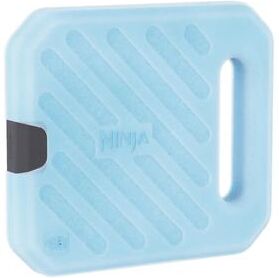
Ninja Frost Vault 4.8-lb. Ice PackKeep your cooler contents cold and mess-free with the Ninja FrostVault 4lb. Ice Pack—designed for the perfect fit inside Ninja FrostVault Coolers. Say goodbye to soggy food and unwanted condensation while enjoying long-lasting chill.27,49 $*Shipping: 0,00 $Secure redirect to the provider
-
Uplifted Finds Mini LED Christmas Tree Tabletop Decoration With Snow Frost For Holiday Home Display 15 Cm multicolorBring the magic of the holidays into any room with this charming mini LED Christmas tree. Designed with a snowy frosted finish and warm glowing lights, it adds a festive touch to desks, shelves, nightstands, and tabletops. Whether you're decorating...35,97 $*Shipping: 0,00 $Secure redirect to the provider
-
Uplifted Finds Mini LED Christmas Tree Tabletop Decoration With Snow Frost For Holiday Home Display 25 Cm multicolorBring the magic of the holidays into any room with this charming mini LED Christmas tree. Designed with a snowy frosted finish and warm glowing lights, it adds a festive touch to desks, shelves, nightstands, and tabletops. Whether you're decorating...55,97 $*Shipping: 0,00 $Secure redirect to the provider
-
Uplifted Finds Mini LED Christmas Tree Tabletop Decoration With Snow Frost For Holiday Home Display 20 Cm multicolorBring the magic of the holidays into any room with this charming mini LED Christmas tree. Designed with a snowy frosted finish and warm glowing lights, it adds a festive touch to desks, shelves, nightstands, and tabletops. Whether you're decorating...45,97 $*Shipping: 0,00 $Secure redirect to the provider



-
What is the difference between compound molecules and element molecules?
Compound molecules are made up of two or more different elements chemically bonded together, such as water (H2O) or carbon dioxide (CO2). Element molecules, on the other hand, are made up of two or more atoms of the same element bonded together, such as oxygen (O2) or nitrogen (N2). In compound molecules, the atoms are different, while in element molecules, the atoms are the same. **
-
Why are water molecules permanent dipoles and carbon dioxide molecules not?
Water molecules are permanent dipoles because they have a bent molecular shape with unequal sharing of electrons between the oxygen and hydrogen atoms. This results in a partial negative charge on the oxygen atom and partial positive charges on the hydrogen atoms, creating a permanent dipole moment. On the other hand, carbon dioxide molecules are not permanent dipoles because they have a linear molecular shape with symmetrical distribution of the two oxygen atoms and the carbon atom. This results in equal sharing of electrons and no permanent dipole moment. **
-
Why do heptan-1-ol molecules and water molecules not mix?
Heptan-1-ol molecules and water molecules do not mix well because heptan-1-ol is a nonpolar molecule, while water is a polar molecule. Nonpolar molecules are not attracted to polar molecules, so they do not easily mix. Additionally, heptan-1-ol is hydrophobic, meaning it repels water, further preventing the two substances from mixing. This is due to the difference in the polarity and intermolecular forces between the two substances. **
-
How are molecules formed?
Molecules are formed through chemical bonding between atoms. Atoms can either share electrons to form covalent bonds or transfer electrons to form ionic bonds. The type of bonding that occurs depends on the elements involved and their tendency to gain, lose, or share electrons. Once atoms are bonded together, they form a stable structure known as a molecule. **
Search for dipole molecules.
Dipole molecules are molecules that have a separation of positive and negative charges within the molecule. This separation creates a dipole moment, which results in the molecule having a positive end and a negative end. Examples of dipole molecules include water (H2O), hydrogen chloride (HCl), and ammonia (NH3). These molecules are important in various chemical reactions and interactions due to their polar nature. **
How are molecules recognized?
Molecules are recognized through specific interactions between their chemical structures and complementary binding sites on other molecules. This recognition process involves the formation of non-covalent bonds such as hydrogen bonds, van der Waals forces, and electrostatic interactions. The shape, size, and charge distribution of molecules play a crucial role in determining their recognition by other molecules. Additionally, specific functional groups and chemical properties can also contribute to the recognition process. **
Top-Angebote
Products related to Molecules:
-
Uplifted Finds Mini LED Christmas Tree Tabletop Decoration With Snow Frost For Holiday Home Display 30 Cm multicolorBring the magic of the holidays into any room with this charming mini LED Christmas tree. Designed with a snowy frosted finish and warm glowing lights, it adds a festive touch to desks, shelves, nightstands, and tabletops. Whether you're decorating...65,97 $*Shipping: 0,00 $Secure redirect to the provider
-
Ninja Frost Vault 4.8-lb. Ice PackKeep your cooler contents cold and mess-free with the Ninja FrostVault 4lb. Ice Pack—designed for the perfect fit inside Ninja FrostVault Coolers. Say goodbye to soggy food and unwanted condensation while enjoying long-lasting chill.27,49 $*Shipping: 0,00 $Secure redirect to the provider
-
Uplifted Finds Mini LED Christmas Tree Tabletop Decoration With Snow Frost For Holiday Home Display 15 Cm multicolorBring the magic of the holidays into any room with this charming mini LED Christmas tree. Designed with a snowy frosted finish and warm glowing lights, it adds a festive touch to desks, shelves, nightstands, and tabletops. Whether you're decorating...35,97 $*Shipping: 0,00 $Secure redirect to the provider
-
'Salts or molecules?'
Salts are compounds formed from the reaction of an acid and a base, while molecules are made up of atoms bonded together. Salts are ionic compounds, meaning they are made up of ions, while molecules can be either ionic or covalent compounds. Salts have a specific crystalline structure and are often soluble in water, while molecules can have a wide range of physical properties and solubilities. Overall, salts and molecules are distinct types of chemical compounds with different structures and properties. **
-
Which of the following molecules are dipole molecules and why?
Molecules that have a dipole moment are considered dipole molecules. A dipole moment occurs when there is an uneven distribution of electron density within a molecule, resulting in a partial positive and partial negative charge. For example, molecules like water (H2O) and ammonia (NH3) are dipole molecules because of their polar covalent bonds, which create a separation of charge within the molecule. On the other hand, molecules like carbon dioxide (CO2) and methane (CH4) are nonpolar and do not have a dipole moment because the electronegativity of the atoms cancel each other out, resulting in a symmetrical distribution of charge. **
-
What is the difference between compound molecules and element molecules?
Compound molecules are made up of two or more different elements chemically bonded together, such as water (H2O) or carbon dioxide (CO2). Element molecules, on the other hand, are made up of two or more atoms of the same element bonded together, such as oxygen (O2) or nitrogen (N2). In compound molecules, the atoms are different, while in element molecules, the atoms are the same. **
-
Why are water molecules permanent dipoles and carbon dioxide molecules not?
Water molecules are permanent dipoles because they have a bent molecular shape with unequal sharing of electrons between the oxygen and hydrogen atoms. This results in a partial negative charge on the oxygen atom and partial positive charges on the hydrogen atoms, creating a permanent dipole moment. On the other hand, carbon dioxide molecules are not permanent dipoles because they have a linear molecular shape with symmetrical distribution of the two oxygen atoms and the carbon atom. This results in equal sharing of electrons and no permanent dipole moment. **
Similar search terms for Molecules
-
Uplifted Finds Mini LED Christmas Tree Tabletop Decoration With Snow Frost For Holiday Home Display 25 Cm multicolorBring the magic of the holidays into any room with this charming mini LED Christmas tree. Designed with a snowy frosted finish and warm glowing lights, it adds a festive touch to desks, shelves, nightstands, and tabletops. Whether you're decorating...55,97 $*Shipping: 0,00 $Secure redirect to the provider
-
Uplifted Finds Mini LED Christmas Tree Tabletop Decoration With Snow Frost For Holiday Home Display 20 Cm multicolorBring the magic of the holidays into any room with this charming mini LED Christmas tree. Designed with a snowy frosted finish and warm glowing lights, it adds a festive touch to desks, shelves, nightstands, and tabletops. Whether you're decorating...45,97 $*Shipping: 0,00 $Secure redirect to the provider
-
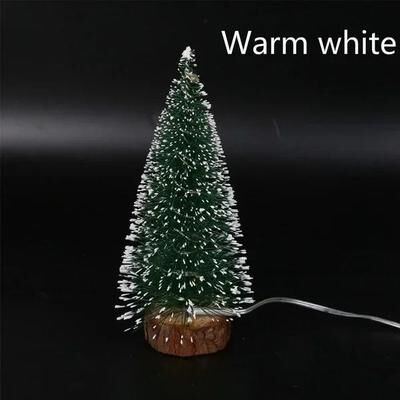
Uplifted Finds Mini LED Christmas Tree Tabletop Decoration With Snow Frost For Holiday Home Display 30 Cm warm WhiteBring the magic of the holidays into any room with this charming mini LED Christmas tree. Designed with a snowy frosted finish and warm glowing lights, it adds a festive touch to desks, shelves, nightstands, and tabletops. Whether you're decorating...65,97 $*Shipping: 0,00 $Secure redirect to the provider
-
Uplifted Finds Mini LED Christmas Tree Tabletop Decoration With Snow Frost For Holiday Home Display 25 Cm warm WhiteBring the magic of the holidays into any room with this charming mini LED Christmas tree. Designed with a snowy frosted finish and warm glowing lights, it adds a festive touch to desks, shelves, nightstands, and tabletops. Whether you're decorating...55,97 $*Shipping: 0,00 $Secure redirect to the provider
-
Why do heptan-1-ol molecules and water molecules not mix?
Heptan-1-ol molecules and water molecules do not mix well because heptan-1-ol is a nonpolar molecule, while water is a polar molecule. Nonpolar molecules are not attracted to polar molecules, so they do not easily mix. Additionally, heptan-1-ol is hydrophobic, meaning it repels water, further preventing the two substances from mixing. This is due to the difference in the polarity and intermolecular forces between the two substances. **
-
How are molecules formed?
Molecules are formed through chemical bonding between atoms. Atoms can either share electrons to form covalent bonds or transfer electrons to form ionic bonds. The type of bonding that occurs depends on the elements involved and their tendency to gain, lose, or share electrons. Once atoms are bonded together, they form a stable structure known as a molecule. **
-
Search for dipole molecules.
Dipole molecules are molecules that have a separation of positive and negative charges within the molecule. This separation creates a dipole moment, which results in the molecule having a positive end and a negative end. Examples of dipole molecules include water (H2O), hydrogen chloride (HCl), and ammonia (NH3). These molecules are important in various chemical reactions and interactions due to their polar nature. **
-
How are molecules recognized?
Molecules are recognized through specific interactions between their chemical structures and complementary binding sites on other molecules. This recognition process involves the formation of non-covalent bonds such as hydrogen bonds, van der Waals forces, and electrostatic interactions. The shape, size, and charge distribution of molecules play a crucial role in determining their recognition by other molecules. Additionally, specific functional groups and chemical properties can also contribute to the recognition process. **
* All prices are inclusive of VAT and, if applicable, plus shipping costs. The offer information is based on the details provided by the respective shop and is updated through automated processes. Real-time updates do not occur, so deviations can occur in individual cases. ** Note: Parts of this content were created by AI.