Buy winterfestival.eu ?
We are moving the project
winterfestival.eu .
Are you interested in purchasing the domain
winterfestival.eu ?
domain@kv-gmbh.de · 0541-91531010
Buy winterfestival.eu ?
What is the diesel boost pressure?
The diesel boost pressure refers to the amount of pressure generated by the turbocharger or supercharger in a diesel engine. This pressure is used to force more air into the engine, allowing for better combustion and increased power output. The boost pressure is typically measured in pounds per square inch (psi) and can vary depending on the specific engine and its tuning. Higher boost pressure can result in more power and torque, but it also puts more stress on the engine components. **
What is the boost pressure in stock cars?
The boost pressure in stock cars typically ranges from 6 to 10 psi (pounds per square inch). This level of boost pressure is carefully calibrated by the car manufacturer to optimize performance while ensuring the engine's reliability and longevity. Higher boost pressures can be achieved through modifications, but this can put additional stress on the engine components and may require other upgrades to support the increased pressure. **
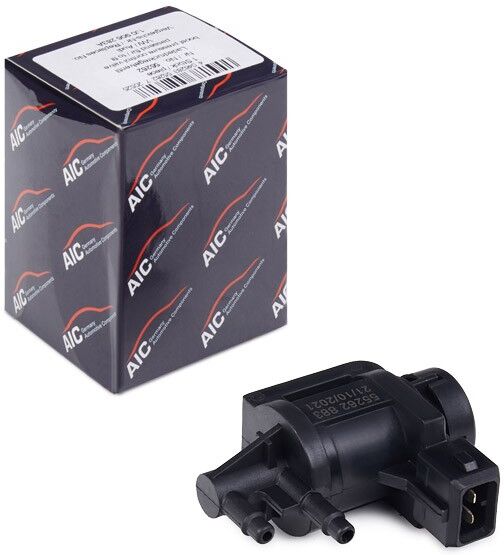
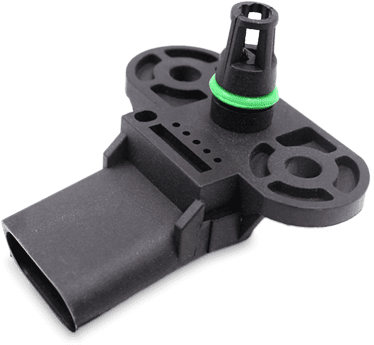
Similar search terms for AIC-55262-Boost-Pressure
Top-Angebote
Products related to AIC-55262-Boost-Pressure:
-
AIC 54963 Sensor, boost pressureNumber of pins: 4; Pressure [Pa] from: 11000; Pressure [Pa] to: 307000; Supplementary Article / Supplementary Info Info 2: with integrated air temperature sensor, with pressure sensor; Supplementary Article / Supplementary Info: with gasket/seal; Colour: black; Guarantee: 5 years guarantee or up to 75,000km16,99 £*Shipping: 8,45 £Secure redirect to the provider
-
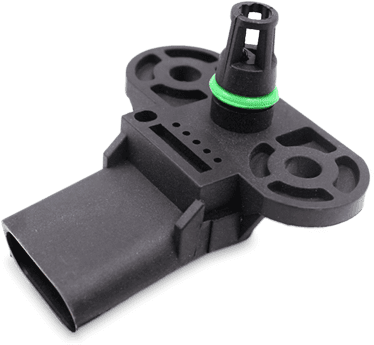
AIC 55233 Sensor, boost pressureNumber of pins: 3; Pressure [Pa] from: 35000; Pressure [Pa] to: 314000; Guarantee: 5 years guarantee or up to 75,000km; Vehicle Equipment: for vehicles without diesel particulate filter (DPF); Emissions Standard: Euro 3 (D3); Engine Code: M47N, M4740,49 £*Shipping: 8,45 £Secure redirect to the provider
-
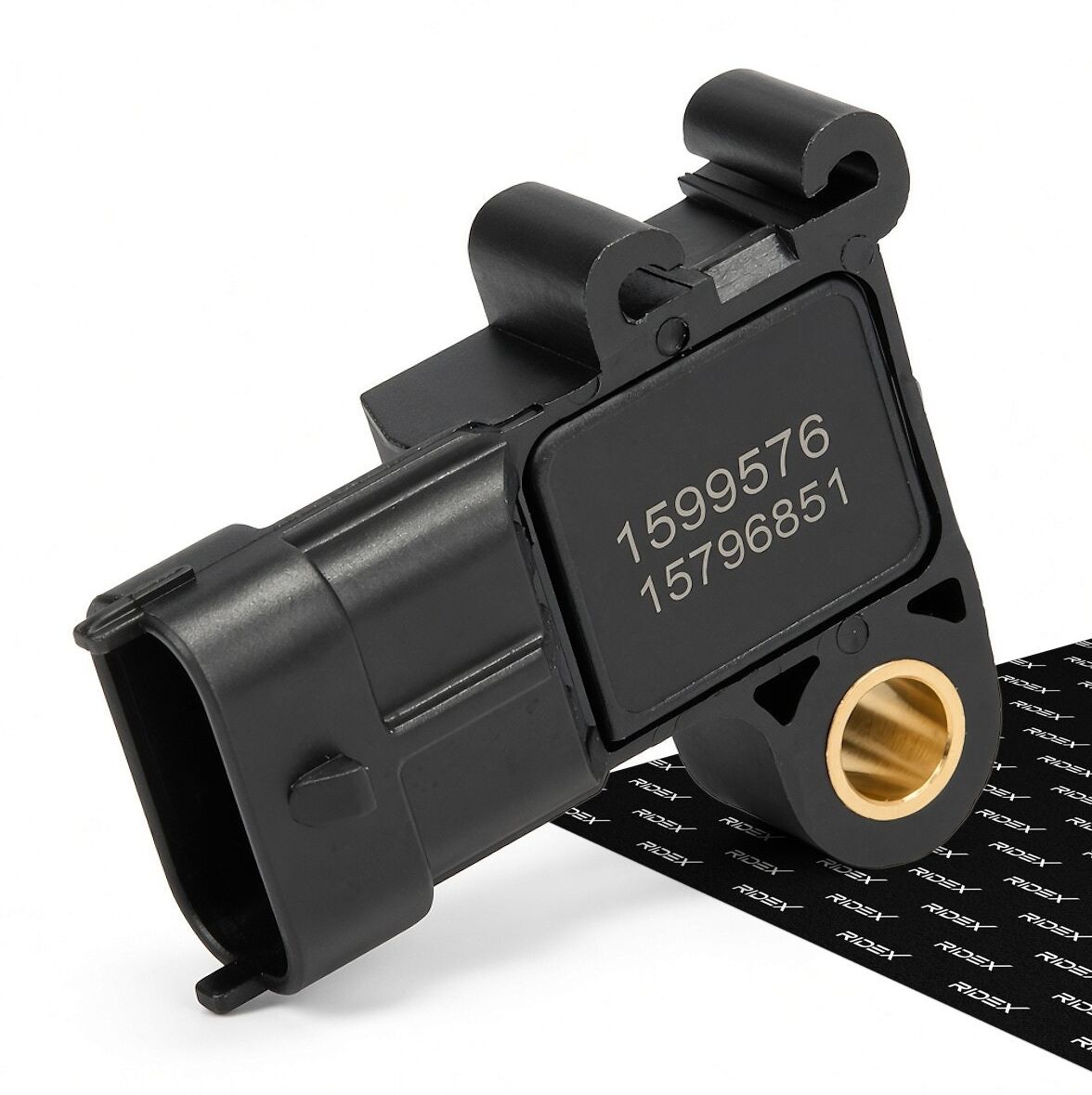
RIDEX 161B0052 Sensor, boost pressurePressure from [kPA]: 1,5; Pressure to [kPA]: 75,4; TecDoc Engine Number: 26064, 24922, 31229, 31287, 25007, 25206, 25205, 18793, 18792, 18782, 18783, 18508, 18791, 15914, 18763, 17548, 15915, 17547, 17549, 18761, 18762, 20833, 18509, 18790, 18511, 18510, 24352, 18512, 18993, 18756, 18757, 25790, 24351, 25791, 18479, 18478, 24348, 24660, 20849, 31040, 20081, 20040, 20041, 20046, 24438, 24437, 20834, 23367, 24425, 23354, 23305, 24436, 24435, 24353, 24428, 31288, 31264, 21826; Fitting Position: Exhaust Pipe on muffler, after soot particulate filter, before soot particulate filter; Vehicle Identification Number (VIN) to: AH999999; Exhaust System: for catalytic converter; Emissions Standard: Euro 4 (D4)25,99 £*Shipping: 8,45 £Secure redirect to the provider
-
RIDEX 161B0062 Sensor, boost pressureNumber of pins: 3; Pressure [Pa] to: 300000; Pressure [Pa] from: 20000; Fitting Position: Intake Manifold; Number of mounting bores: 1; Construction Year to: 07/2013, 12/2014, 07/2014, 12/2013, 07/2015, 08/2016, 03/2015, 12/2017, 12/2016, 09/2017, 08/2012, 01/2016, 09/2014; Vehicle Identification Number (VIN) from: 165933; Construction Year from: 09/2010, 09/2011, 08/2010, 09/2012, 10/2014, 04/2014, 01/2014, 04/2015, 01/2011, 09/2013, 11/2012, 08/2014; TecDoc Engine Number: 26456, 26457, 26458, 26459, 26486, 21069, 36783, 36784, 36785, 26467, 26468, 26469, 33168, 33169, 35653, 26479, 26478, 29677, 29678, 29668, 29667, 29666, 29673, 29671, 29442, 31086, 25877, 25878, 28261, 31109, 28070, 33182, 29491, 29490, 32681; Engine Code: P4AT, CYR5<Euro 5>, USR...<Euro5>, CVR5<Euro 5>, M2DC<Euro 6>, YYJF<Euro 6>; Transmission Type: Manual Transmission14,49 £*Shipping: 8,45 £Secure redirect to the provider


-
What is the boost pressure in production cars?
The boost pressure in production cars typically ranges from 6 to 15 psi (pounds per square inch). This level of boost pressure is considered safe for most stock engines and allows for increased power and performance without compromising the engine's reliability. Some high-performance production cars may have higher boost pressures, but they are usually designed with reinforced components to handle the increased stress. **
-
How much boost pressure can my car handle?
The maximum boost pressure that your car can handle depends on several factors, including the engine's design, internal components, and the strength of the stock turbocharger or supercharger. It's important to consult with a professional mechanic or tuner who is familiar with your specific make and model to determine the safe and optimal boost pressure for your car. Exceeding the recommended boost pressure can lead to engine damage, so it's crucial to proceed with caution and follow expert advice. **
-
Why is the boost pressure sensor not working?
The boost pressure sensor may not be working due to a variety of reasons. It could be a result of a faulty sensor itself, a damaged or disconnected wiring harness, or a problem with the engine control module (ECM) that is not receiving the correct signal from the sensor. Additionally, the sensor may be clogged or contaminated with debris, affecting its ability to accurately measure the boost pressure. It is important to diagnose and address the specific issue causing the sensor to not work in order to ensure proper engine performance and efficiency. **
-
What is the boost pressure of the turbocharger?
The boost pressure of a turbocharger can vary depending on the specific model and application. However, in general, turbochargers can produce boost pressures ranging from 6 psi to 25 psi or even higher in some high-performance applications. The boost pressure is typically controlled by a wastegate or a boost controller to ensure that the engine operates within safe limits and to optimize performance. It's important to consult the manufacturer's specifications or a professional tuner to determine the appropriate boost pressure for a specific turbocharger setup. **


Can the boost pressure of turbo diesel engines be increased?
Yes, the boost pressure of turbo diesel engines can be increased. This can be done by installing a larger turbocharger, adjusting the wastegate, or adding an aftermarket boost controller. Increasing the boost pressure can result in improved engine performance and power output, but it is important to ensure that the engine and other components are capable of handling the increased pressure to avoid potential damage. It is also important to note that modifying the boost pressure may have legal and warranty implications, so it is important to consider these factors before making any changes. **
Why is there no more boost pressure at the turbo's wastegate?
Boost pressure is controlled by the wastegate, which is a valve that regulates the flow of exhaust gases to the turbocharger. When the wastegate opens, it diverts some of the exhaust gases away from the turbocharger, reducing the amount of exhaust energy available to spin the turbo. This results in a decrease in boost pressure as the turbocharger is no longer being driven as hard. Therefore, when the wastegate is fully open, there is no more boost pressure being generated by the turbocharger. **
Top-Angebote
Products related to AIC-55262-Boost-Pressure:
-
AIC 56486 Sensor, boost pressureNumber of pins: 3; Supplementary Article / Supplementary Info: with gasket/seal; Colour: black; Guarantee: 5 years guarantee or up to 75,000km; Required quantity: 1; TecDoc Engine Number: 22702, 14350, 15451, 17193, 18289; Vehicle Identification Number (VIN) from: J 178472; Emissions Standard: Euro 3; Engine Code: 660940, 660100, OM 646.982; Pressure to [bar]: 2,5; Catalytic Converter Type: without soot filter; Model Year from: 2005; Engine Number to: 30029438, 30108082, 30064540; for special equipment code: 522630 11, 522630 1243,49 £*Shipping: 8,45 £Secure redirect to the provider
-
AIC 54963 Sensor, boost pressureNumber of pins: 4; Pressure [Pa] from: 11000; Pressure [Pa] to: 307000; Supplementary Article / Supplementary Info Info 2: with integrated air temperature sensor, with pressure sensor; Supplementary Article / Supplementary Info: with gasket/seal; Colour: black; Guarantee: 5 years guarantee or up to 75,000km16,99 £*Shipping: 8,45 £Secure redirect to the provider
-
AIC 55233 Sensor, boost pressureNumber of pins: 3; Pressure [Pa] from: 35000; Pressure [Pa] to: 314000; Guarantee: 5 years guarantee or up to 75,000km; Vehicle Equipment: for vehicles without diesel particulate filter (DPF); Emissions Standard: Euro 3 (D3); Engine Code: M47N, M4740,49 £*Shipping: 8,45 £Secure redirect to the provider
-
What is the diesel boost pressure?
The diesel boost pressure refers to the amount of pressure generated by the turbocharger or supercharger in a diesel engine. This pressure is used to force more air into the engine, allowing for better combustion and increased power output. The boost pressure is typically measured in pounds per square inch (psi) and can vary depending on the specific engine and its tuning. Higher boost pressure can result in more power and torque, but it also puts more stress on the engine components. **
-
What is the boost pressure in stock cars?
The boost pressure in stock cars typically ranges from 6 to 10 psi (pounds per square inch). This level of boost pressure is carefully calibrated by the car manufacturer to optimize performance while ensuring the engine's reliability and longevity. Higher boost pressures can be achieved through modifications, but this can put additional stress on the engine components and may require other upgrades to support the increased pressure. **
-
What is the boost pressure in production cars?
The boost pressure in production cars typically ranges from 6 to 15 psi (pounds per square inch). This level of boost pressure is considered safe for most stock engines and allows for increased power and performance without compromising the engine's reliability. Some high-performance production cars may have higher boost pressures, but they are usually designed with reinforced components to handle the increased stress. **
-
How much boost pressure can my car handle?
The maximum boost pressure that your car can handle depends on several factors, including the engine's design, internal components, and the strength of the stock turbocharger or supercharger. It's important to consult with a professional mechanic or tuner who is familiar with your specific make and model to determine the safe and optimal boost pressure for your car. Exceeding the recommended boost pressure can lead to engine damage, so it's crucial to proceed with caution and follow expert advice. **
Similar search terms for AIC-55262-Boost-Pressure
-
RIDEX 161B0052 Sensor, boost pressurePressure from [kPA]: 1,5; Pressure to [kPA]: 75,4; TecDoc Engine Number: 26064, 24922, 31229, 31287, 25007, 25206, 25205, 18793, 18792, 18782, 18783, 18508, 18791, 15914, 18763, 17548, 15915, 17547, 17549, 18761, 18762, 20833, 18509, 18790, 18511, 18510, 24352, 18512, 18993, 18756, 18757, 25790, 24351, 25791, 18479, 18478, 24348, 24660, 20849, 31040, 20081, 20040, 20041, 20046, 24438, 24437, 20834, 23367, 24425, 23354, 23305, 24436, 24435, 24353, 24428, 31288, 31264, 21826; Fitting Position: Exhaust Pipe on muffler, after soot particulate filter, before soot particulate filter; Vehicle Identification Number (VIN) to: AH999999; Exhaust System: for catalytic converter; Emissions Standard: Euro 4 (D4)25,99 £*Shipping: 8,45 £Secure redirect to the provider
-
RIDEX 161B0062 Sensor, boost pressureNumber of pins: 3; Pressure [Pa] to: 300000; Pressure [Pa] from: 20000; Fitting Position: Intake Manifold; Number of mounting bores: 1; Construction Year to: 07/2013, 12/2014, 07/2014, 12/2013, 07/2015, 08/2016, 03/2015, 12/2017, 12/2016, 09/2017, 08/2012, 01/2016, 09/2014; Vehicle Identification Number (VIN) from: 165933; Construction Year from: 09/2010, 09/2011, 08/2010, 09/2012, 10/2014, 04/2014, 01/2014, 04/2015, 01/2011, 09/2013, 11/2012, 08/2014; TecDoc Engine Number: 26456, 26457, 26458, 26459, 26486, 21069, 36783, 36784, 36785, 26467, 26468, 26469, 33168, 33169, 35653, 26479, 26478, 29677, 29678, 29668, 29667, 29666, 29673, 29671, 29442, 31086, 25877, 25878, 28261, 31109, 28070, 33182, 29491, 29490, 32681; Engine Code: P4AT, CYR5<Euro 5>, USR...<Euro5>, CVR5<Euro 5>, M2DC<Euro 6>, YYJF<Euro 6>; Transmission Type: Manual Transmission14,49 £*Shipping: 8,45 £Secure redirect to the provider
-
METZGER 0906348 Sensor, boost pressureNumber of pins: 3, 4; Version: IAM; Construction Year from: 09/2009, 07/2006, 11/2006, 03/2007, 04/2007, 11/2007, 05/2008, 04/2010, 07/2010; Construction Year to: 07/2010, 04/2010, 02/2011, 07/2009, 11/2009, 06/2009; for RPO number up to: 12292, 1228838,49 £*Shipping: 8,45 £Secure redirect to the provider
-
Why is the boost pressure sensor not working?
The boost pressure sensor may not be working due to a variety of reasons. It could be a result of a faulty sensor itself, a damaged or disconnected wiring harness, or a problem with the engine control module (ECM) that is not receiving the correct signal from the sensor. Additionally, the sensor may be clogged or contaminated with debris, affecting its ability to accurately measure the boost pressure. It is important to diagnose and address the specific issue causing the sensor to not work in order to ensure proper engine performance and efficiency. **
-
What is the boost pressure of the turbocharger?
The boost pressure of a turbocharger can vary depending on the specific model and application. However, in general, turbochargers can produce boost pressures ranging from 6 psi to 25 psi or even higher in some high-performance applications. The boost pressure is typically controlled by a wastegate or a boost controller to ensure that the engine operates within safe limits and to optimize performance. It's important to consult the manufacturer's specifications or a professional tuner to determine the appropriate boost pressure for a specific turbocharger setup. **
-
Can the boost pressure of turbo diesel engines be increased?
Yes, the boost pressure of turbo diesel engines can be increased. This can be done by installing a larger turbocharger, adjusting the wastegate, or adding an aftermarket boost controller. Increasing the boost pressure can result in improved engine performance and power output, but it is important to ensure that the engine and other components are capable of handling the increased pressure to avoid potential damage. It is also important to note that modifying the boost pressure may have legal and warranty implications, so it is important to consider these factors before making any changes. **
-
Why is there no more boost pressure at the turbo's wastegate?
Boost pressure is controlled by the wastegate, which is a valve that regulates the flow of exhaust gases to the turbocharger. When the wastegate opens, it diverts some of the exhaust gases away from the turbocharger, reducing the amount of exhaust energy available to spin the turbo. This results in a decrease in boost pressure as the turbocharger is no longer being driven as hard. Therefore, when the wastegate is fully open, there is no more boost pressure being generated by the turbocharger. **
* All prices are inclusive of VAT and, if applicable, plus shipping costs. The offer information is based on the details provided by the respective shop and is updated through automated processes. Real-time updates do not occur, so deviations can occur in individual cases. ** Note: Parts of this content were created by AI.